
Road work in Webster City just started — and it’s nearly finished
City takes a break from big projects this year
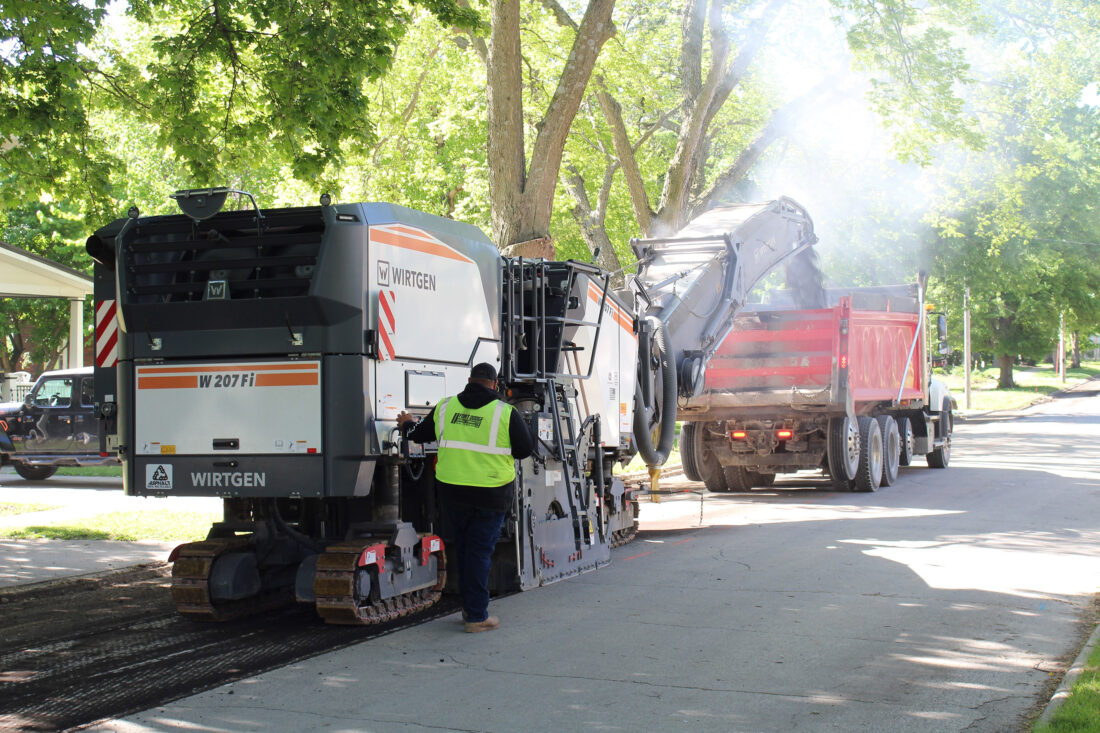
Freeman-Journal photo by Robet E. Oliver<br> Employees of Fort Dodge Asphalt were milling the 1600 block of Willson Avenue earlier this week with this $1 million machine. The two block stretch of new paving was completed and cured in three days.
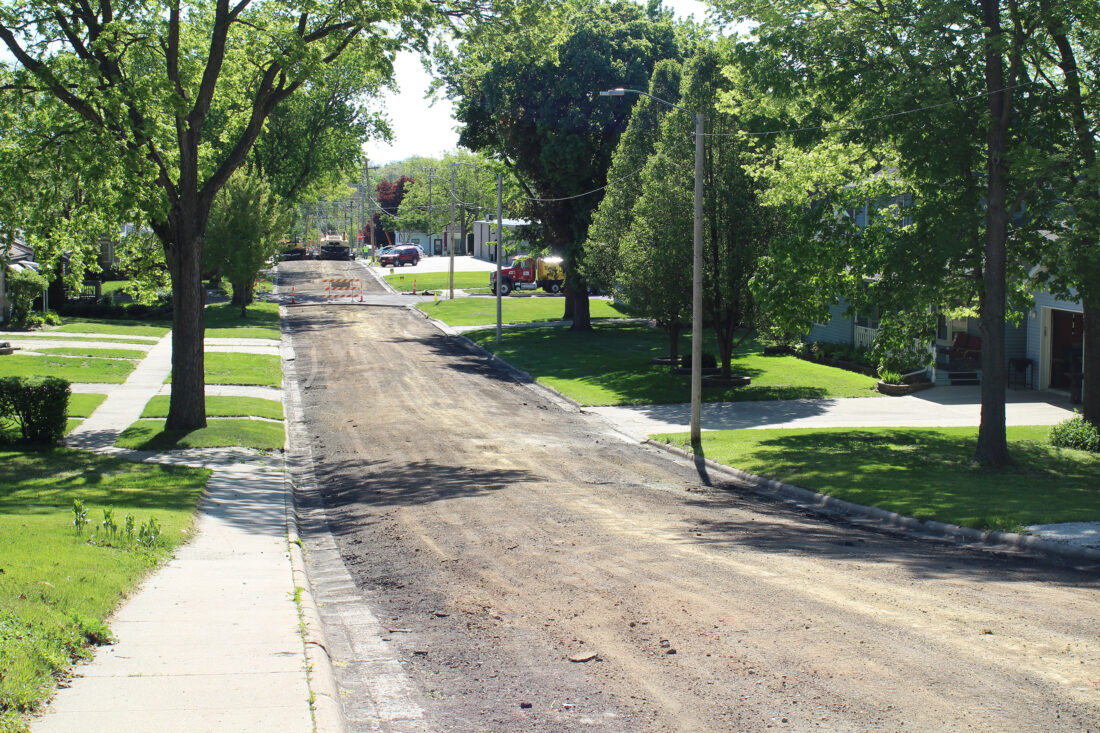
Freeman-Journal photo by Robet E. Oliver<br>Looking from Willson Avenue down Cedar Street toward Seneca and Superior, milling of old asphalt is complete, and awaiting new pavement. The large paving machinery is seen in the distance.
Freeman-Journal photo by Robet E. Oliver<br> Employees of Fort Dodge Asphalt were milling the 1600 block of Willson Avenue earlier this week with this $1 million machine. The two block stretch of new paving was completed and cured in three days.
Freeman-Journal photo by Robet E. Oliver<br>Looking from Willson Avenue down Cedar Street toward Seneca and Superior, milling of old asphalt is complete, and awaiting new pavement. The large paving machinery is seen in the distance.
Trending
Yes, you read that correctly. Dry, mild spring weather meant road work in Webster City got off to a fast start this year, but a smaller scope of work, and priority action by Fort Dodge Asphalt, means it can be completed quickly, according to Street Supervisor Brandon Bahrenfuss.
"We're done this week with our HMA (hot melt asphalt) program," he said. "And, if things go to plan, we'll be finished with our concrete repairs in early June."
That's in contrast to last summer, when the second phase of a complete rebuilding of Fair Meadow Drive, including extensive sewer work under the street, was finished. Well, almost.
Bahrenfuss: "Heavy rain last spring delayed completion of several projects. Fort Dodge Asphalt, contractor for HMA paving, had contracts in other towns, and had to scramble to finish the work." Priority was given to finishing the roadway on Fair Meadow last fall, pushing back completion of sidewalks to this spring.
Due to lower-than-expected costs for 2025's HMA work, Bahrenfuss had $250,000 left in his budget. He proposed spending those funds on eight blocks of high-priority HMA paving at the City Council of Webster City's April 20, 2026 meeting. It was unanimously approved.
Now that work is finished.
Blocks paved this spring were: Willson Avenue from Ohio to Cedar; Cedar from Willson Avenue to Superior; Boone from Willson Avenue to Superior; Elm from Superior to River St. and some asphalt patching on James St. Paving was also completed in Graceland Cemetery.
"Whenever streets are resurfaced, we look at sidewalks," Bahrenfuss said. Accordingly, a total of eight "curb cuts," sidewalk ramps that meet ADA regulations, were also part of the project.
Eight new ramps were built as part of the HMA project, including three at the corner of Cedar & Willson, one at Webster & Willson, and four at Union & Elm. The ramps' dimensions, mandated by strict federal regulations, are designed for wheelchair users, but also ease progress of bicycles, scooters and pedestrians. With near-record gasoline and diesel prices, noticeably more people are walking and riding bikes in Webster City right now.
In Webster City, concrete is used on only streets with the highest traffic volume, including Second, Superior and Beach. It's more expensive, and lasts longer, meaning less disruption when repairs finally must be made.
Reflecting on greatly-expanded use of HMA in Webster City, Bahrenfuss notes, "it's not a 50-year fix, but it gets us down the road." Street repairs in Webster City were put on hold for much of the period 2000-2020, so there's a need for action today. HMA, and its close cousin, chip paving, have been the means to that end.
City Manager John Harrenstein had this to add, "I'm happy residents will be able to enjoy the roads without disruption for most of the summer following the four projects we completed last year. I look forward to continuing our strong investment in streets next year."